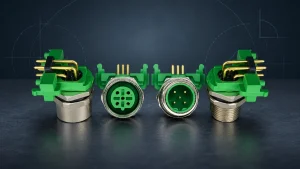
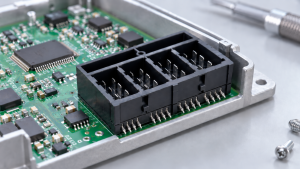
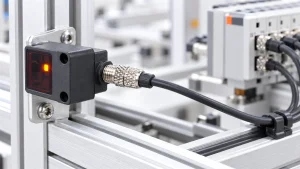
Choosing the wrong OEM connector manufacturer and wholesaler can derail your entire project. Whether you’re developing Automotive Electronics, industrial automation systems, or IoT devices, your connector supplier’s capabilities directly impact product quality, time-to-market, and ultimately, your bottom line.
After analyzing hundreds of engineering discussions and industry feedback, we’ve identified the most critical factors that separate exceptional connector manufacturing companies from mediocre ones. This guide will help you make an informed decision and avoid the costly mistakes that plague many engineering teams.
The Hidden Costs of Poor Supplier Selection
Before diving into selection criteria, let’s examine the real-world consequences of choosing the wrong electronic connector manufacturers or any supplier without proper due diligence.
Recent industry analysis reveals that 67% of product delays in electronics manufacturing stem from supplier-related issues, with connector problems being a leading cause. The ripple effects include:
- Extended development cycles due to redesign requirements
- Quality issues that surface late in production
- Supply chain disruptions affecting entire product lines
- Increased costs from expedited shipping and rework
7 Common Mistakes Engineers Make When Selecting Connector OEMs
Based on extensive research from engineering communities, here are the critical mistakes to avoid:
1. Over-Reliance on EMS Providers for Component Sourcing
Many manufacturers allow their Electronics Manufacturing Services (EMS) provider to source all components, accepting marked-up prices without seeking direct alternatives. While convenient, this approach often leads to 15-30% higher costs across multiple production runs.
Solution: Separate critical, high-volume connectors from low-cost components for direct sourcing evaluation.
2. Ignoring True Consignment Costs
Engineers often consign exact quantities without accounting for setup losses or yield variations. This oversight creates production delays when shortfalls occur, often requiring expensive expedited shipments.
Solution: Work with suppliers who understand yield requirements and can provide buffer recommendations.
3. Chasing Minimal Cost Savings at Expense of Reliability
Focusing on “rounding error” savings by sourcing tiny, low-value parts independently often costs more in engineering time than the savings realized.
Solution: Calculate total cost of ownership, including internal resource allocation.
4. Weak Quality Oversight and Supplier Verification
Purchasing from unverified or discount sources instead of authorized distributors increases counterfeit risk and quality issues while jeopardizing warranties.
Solution: Prioritize supplier certification and authorized distribution channels.
5. Inadequate Documentation and Communication
Poor documentation of specifications, requirements, and supplier responsibilities leads to mistakes, misorders, and inability to replicate successful builds.
Solution: Establish comprehensive documentation protocols from project initiation.
6. Neglecting Component Storage and Handling Requirements
Lack of understanding about proper storage leads to oxidized contacts or pads, especially for connectors and PCBs, causing production stoppages during assembly.
Solution: Verify supplier storage capabilities and handling procedures.
7. Poor Part Number Organization Systems
Using supplier/manufacturer part numbers for internal inventory creates confusion when multiple suppliers offer similar items with different numbering systems.
Solution: Implement standardized internal part numbering with clear supplier mapping.
7 Critical Factors for Selecting Your OEM Connector Manufacturer
1. Engineering & Design Capabilities
Your chosen OEM connector manufacturer should function as an extension of your engineering team, not just a production vendor.
Essential capabilities to evaluate:
- Design for Manufacturability (DFM) expertise: Can they identify potential issues before production and suggest optimizations?
- Custom connector development: Do they have in-house design teams capable of creating connectors from scratch?
- Rapid prototyping capabilities: How quickly can they provide functional samples for testing?
- 3D modeling and simulation: Can they provide detailed models for your design validation?
Red flags: Suppliers who only accept finalized designs without offering input or improvement suggestions.
2. Manufacturing & Quality Control Systems
Quality isn’t just about certifications—it’s about implemented systems and measurable processes.
Key quality indicators:
- ISO 9001:2015, IATF 16949 for automotive applications
- UL certification for electrical safety compliance
- RoHS and REACH compliance for environmental standards
- Statistical process control (SPC) implementation
- First-pass yield rates above 95%
- Automated inspection systems like CCD detection
- Environmental testing capabilities (temperature cycling, humidity, vibration)
Questions to ask:
- What’s your defect rate per million (DPM)?
- Can you provide process capability studies (Cpk values)?
- How do you handle non-conforming products?
3. Supply Chain & Material Sourcing
A robust supply chain separates resilient suppliers from those who crumble during disruptions.
Evaluation criteria:
- Authorized distributor relationships with major component manufacturers
- Material traceability systems from raw materials to finished products
- Inventory management capabilities including safety stock protocols
- Supplier qualification processes for sub-tier vendors
- Geographic diversification to minimize single-point-of-failure risks
- Force majeure planning and business continuity procedures
Best practice: Suppliers should provide complete material certifications and offer alternative sourcing options for critical components.
4. Production Flexibility & Scalability
Your connector needs will evolve. Choose suppliers who can adapt with you.
Flexibility indicators:
- Mixed-batch production capabilities for multiple SKUs
- Scalability from prototype quantities to high-volume production
- Emergency response procedures for urgent requirements
- Automation levels (95%+ automation indicates advanced capabilities)
- Capacity utilization (avoid suppliers operating above 85% capacity)
- Multi-site capabilities for risk mitigation
Success metric: Suppliers should demonstrate ability to handle million-unit order scheduling and provide 4-hour response times for urgent inquiries.
5. Project Management & Communication
Seamless communication prevents costly misunderstandings and keeps projects on track.
Communication excellence markers:
- Dedicated project managers for significant accounts
- Real-time order tracking systems with automated updates
- Proactive communication about potential delays or issues
- Technical support accessibility including engineering consultation
- Documentation standards for all project communications
- Cultural and language compatibility for international partnerships
Evaluation method: Request references from similar projects and assess response times during your evaluation process.
6. Technology & Innovation Capabilities
The connector industry evolves rapidly. Your supplier should stay ahead of trends.
Innovation indicators:
- R&D investment levels (typically 3-5% of revenue for leading suppliers)
- New product development cycles and time-to-market capabilities
- Technology partnerships with material suppliers and equipment manufacturers
- Industry participation in standards development and trade organizations
- Patent portfolio indicating original research and development
- Emerging technology expertise (high-speed data, miniaturization, harsh environment applications)
7. Total Cost of Ownership vs. Unit Price
The lowest quote rarely represents the best value. Consider the complete cost picture.
Total cost components:
- Unit pricing across different volume tiers
- Tooling and setup costs for custom designs
- Logistics and shipping including expedited options
- Quality costs including potential rework and returns
- Engineering support value and accessibility
- Payment terms and their impact on cash flow
- Long-term pricing stability and inflation protection mechanisms
Value assessment: Calculate 3-year total cost scenarios including potential volume growth and design iterations.
Creating Your Supplier Evaluation Framework
Phase 1: Initial Screening
- Capability assessment against your technical requirements
- Financial stability review including credit reports and references
- Certification verification for relevant industry standards
- Preliminary cost analysis for target volumes
Phase 2: Detailed Evaluation
- Facility audits (virtual or in-person)
- Process capability studies for critical parameters
- Sample evaluation with full testing protocols
- Reference customer interviews for similar applications
Phase 3: Final Selection
- Pilot production runs with detailed monitoring
- Contract negotiation including quality agreements
- Supply chain integration planning and implementation
- Performance monitoring system establishment
Red Flags That Should End Your Evaluation
- Reluctance to provide facility tours or process documentation
- Inability to provide customer references for similar applications
- Lack of formal quality systems or outdated certifications
- Poor financial stability or concerning audit reports
- Communication barriers or unresponsive project management
- Unrealistic pricing that seems too good to be true
- Limited technical capabilities for your specific requirements
Building Long-Term Partnerships
The best custom connector manufacturer views relationships as partnerships, not transactions. Look for suppliers who:
- Invest in understanding your business and long-term roadmap
- Provide market intelligence and technology trend insights
- Offer value-engineering suggestions beyond basic requirements
- Demonstrate flexibility during design changes and market fluctuations
- Maintain consistent communication across all organizational levels
Conclusion
Selecting the right custom electronic connectors manufacturer requires balancing technical capabilities, quality systems, cost considerations, and partnership potential. The investment in thorough supplier evaluation pays dividends through reduced risks, improved quality, and enhanced competitiveness.
Remember that the cheapest option often becomes the most expensive through hidden costs, quality issues, and project delays. Focus on total value and long-term partnership potential rather than just unit pricing.
Take time to properly evaluate suppliers using the framework outlined above. The few extra weeks spent in evaluation can save months of problems and thousands of dollars in the long run.
Need help implementing a comprehensive supplier evaluation process? Our team at Soulin specializes in full-service OEM manufacturing with proven expertise in connector design, manufacturing, and quality control. Learn more about our capabilities and certifications on our about page.